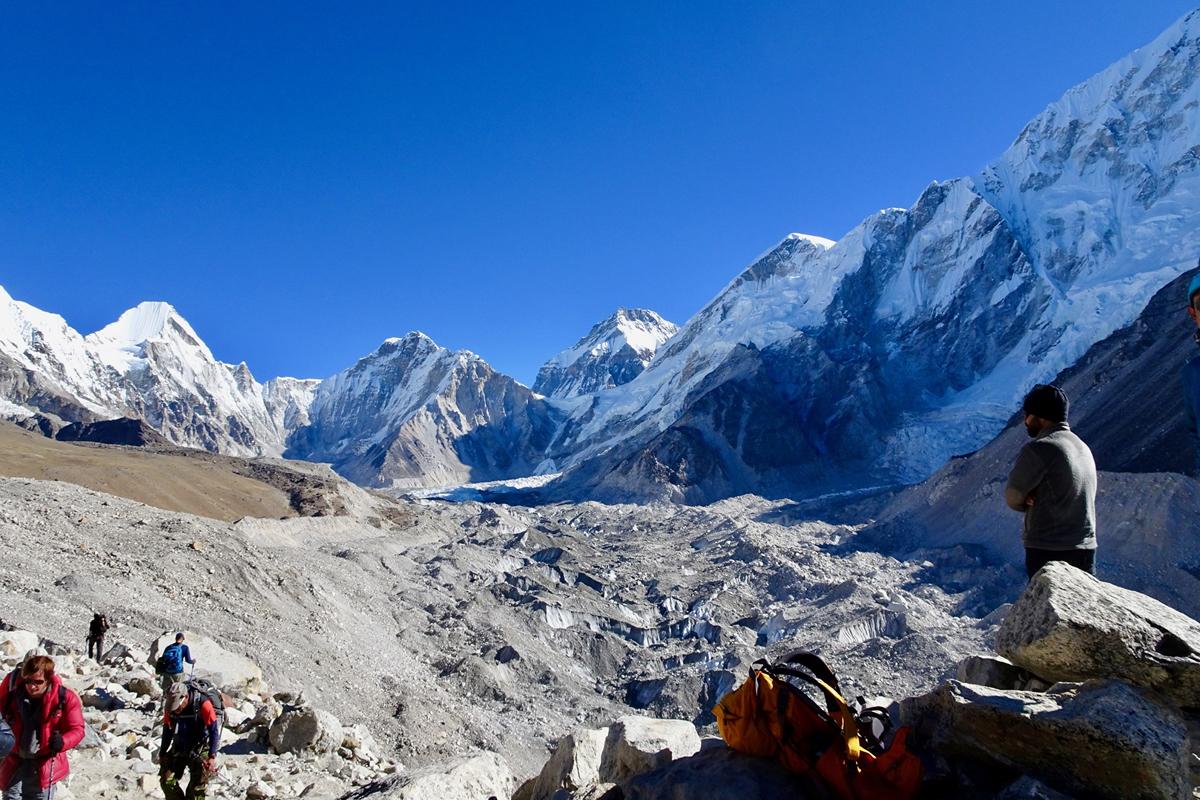
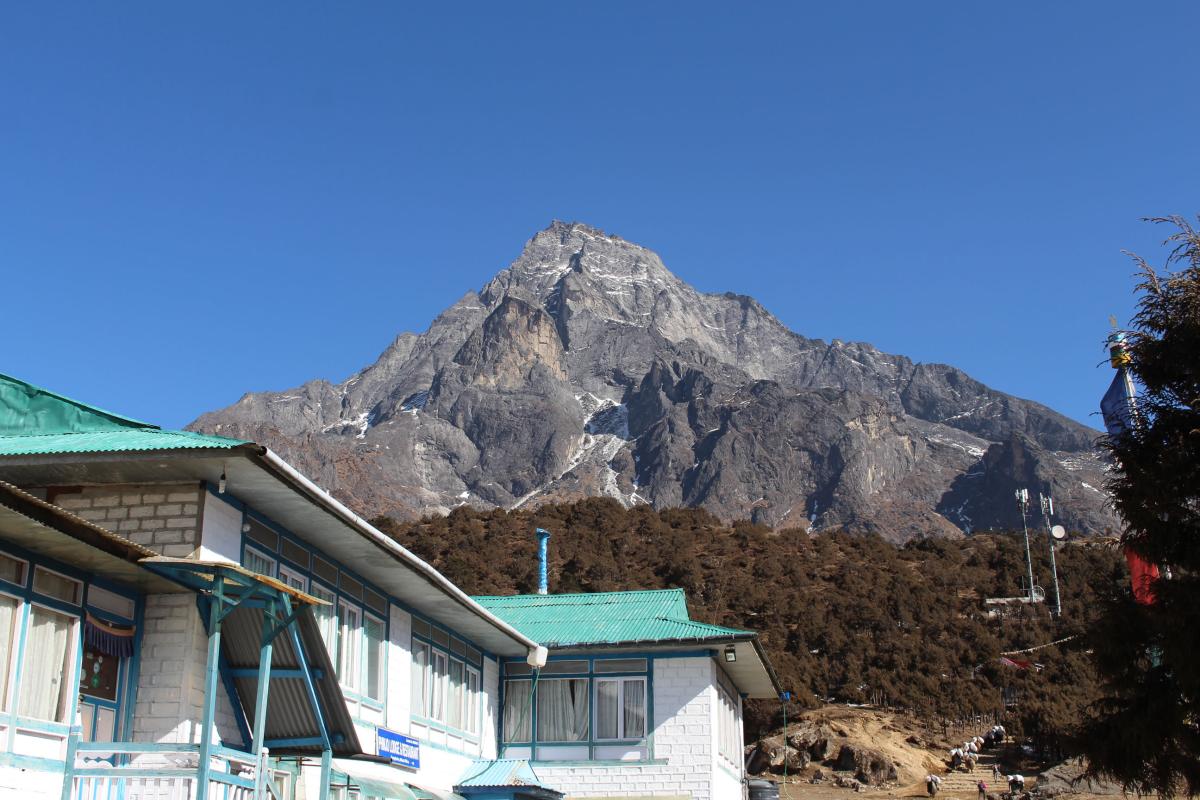
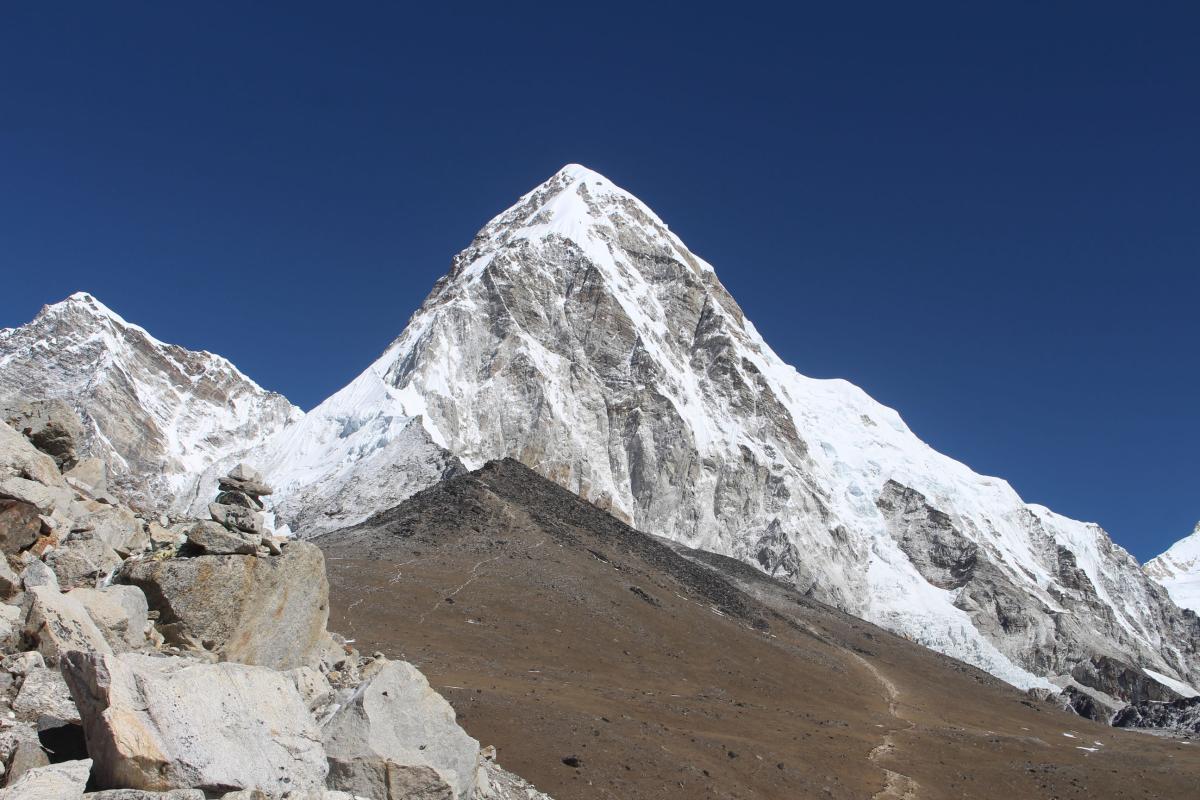
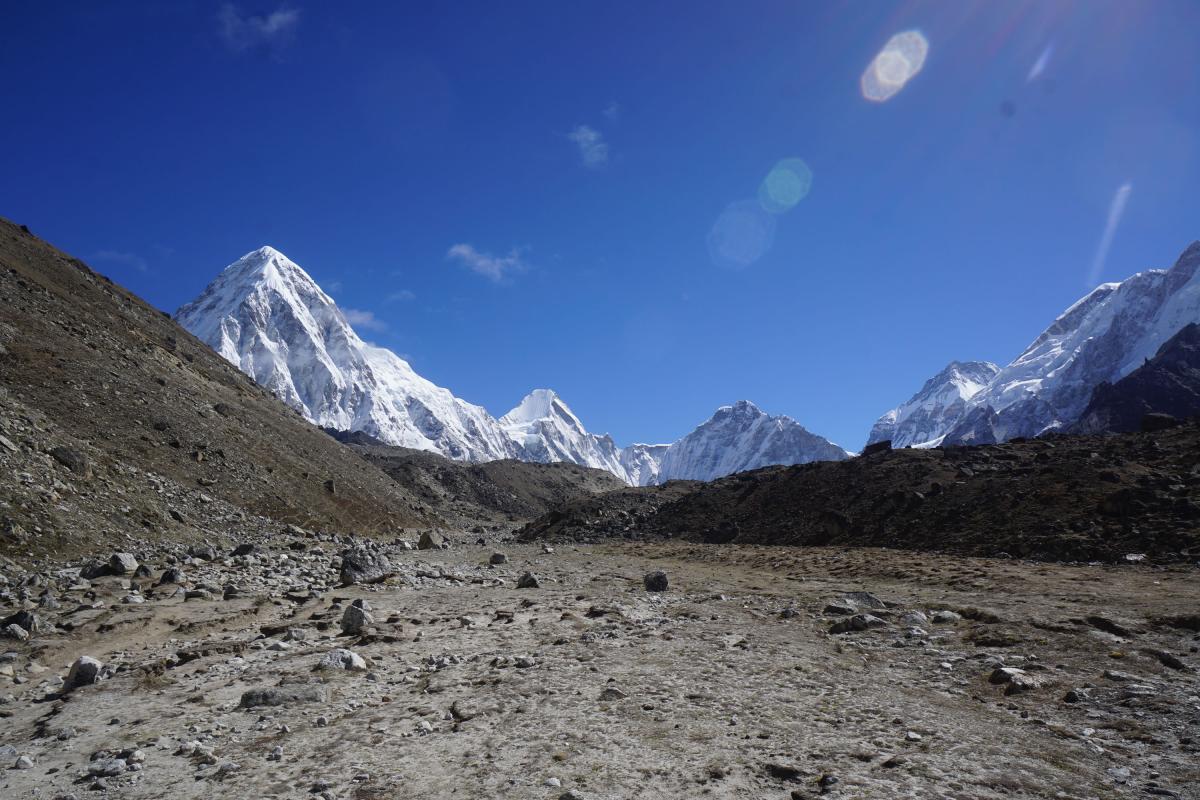
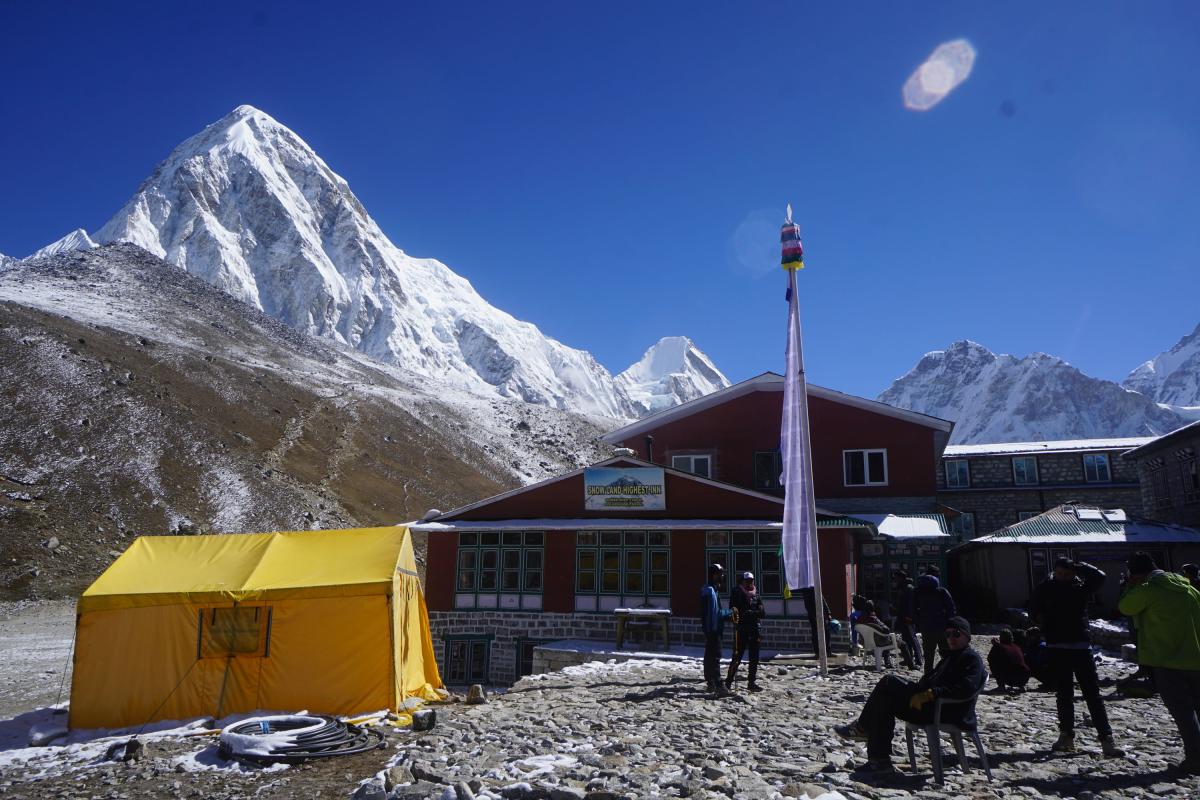
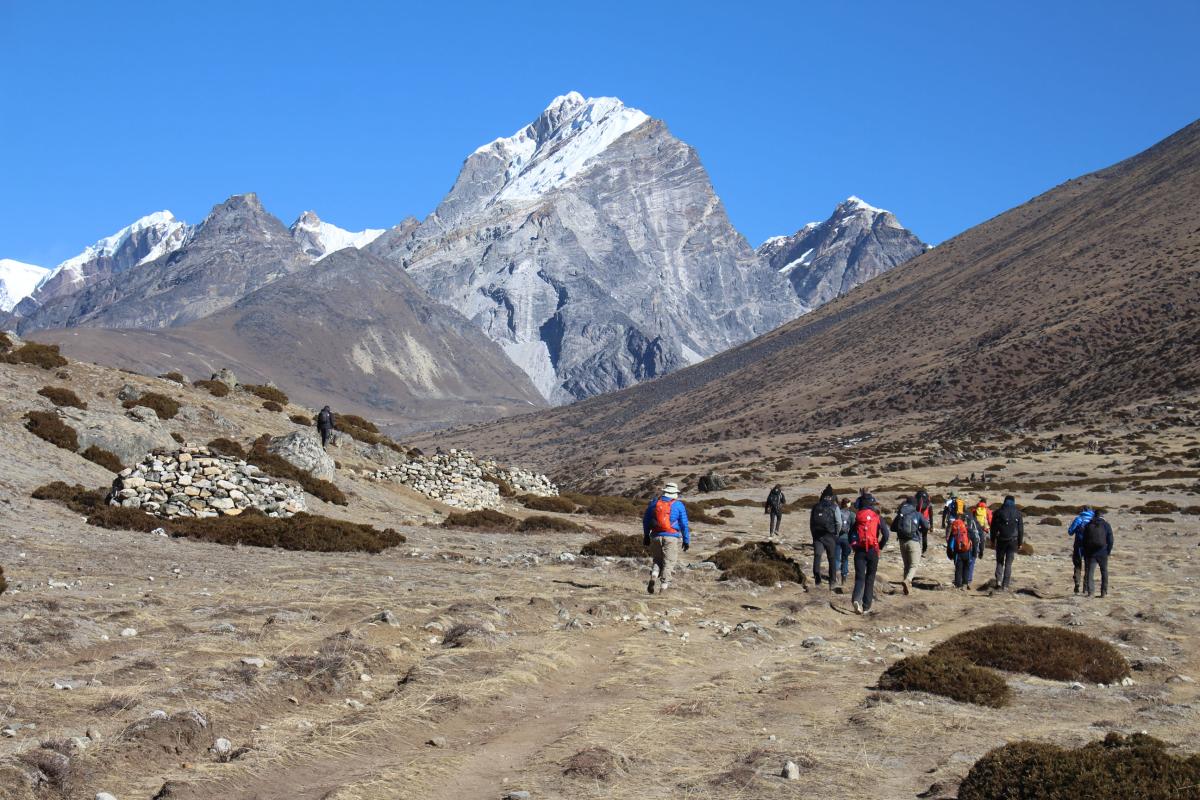
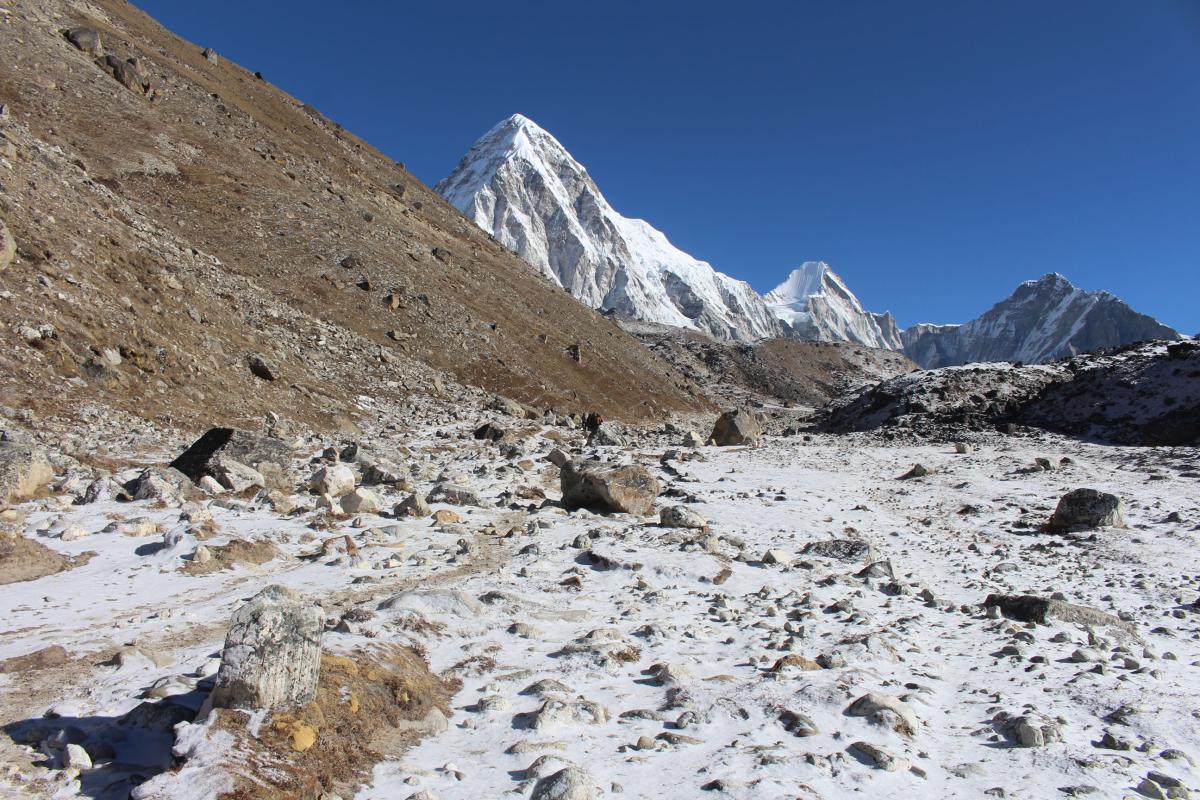
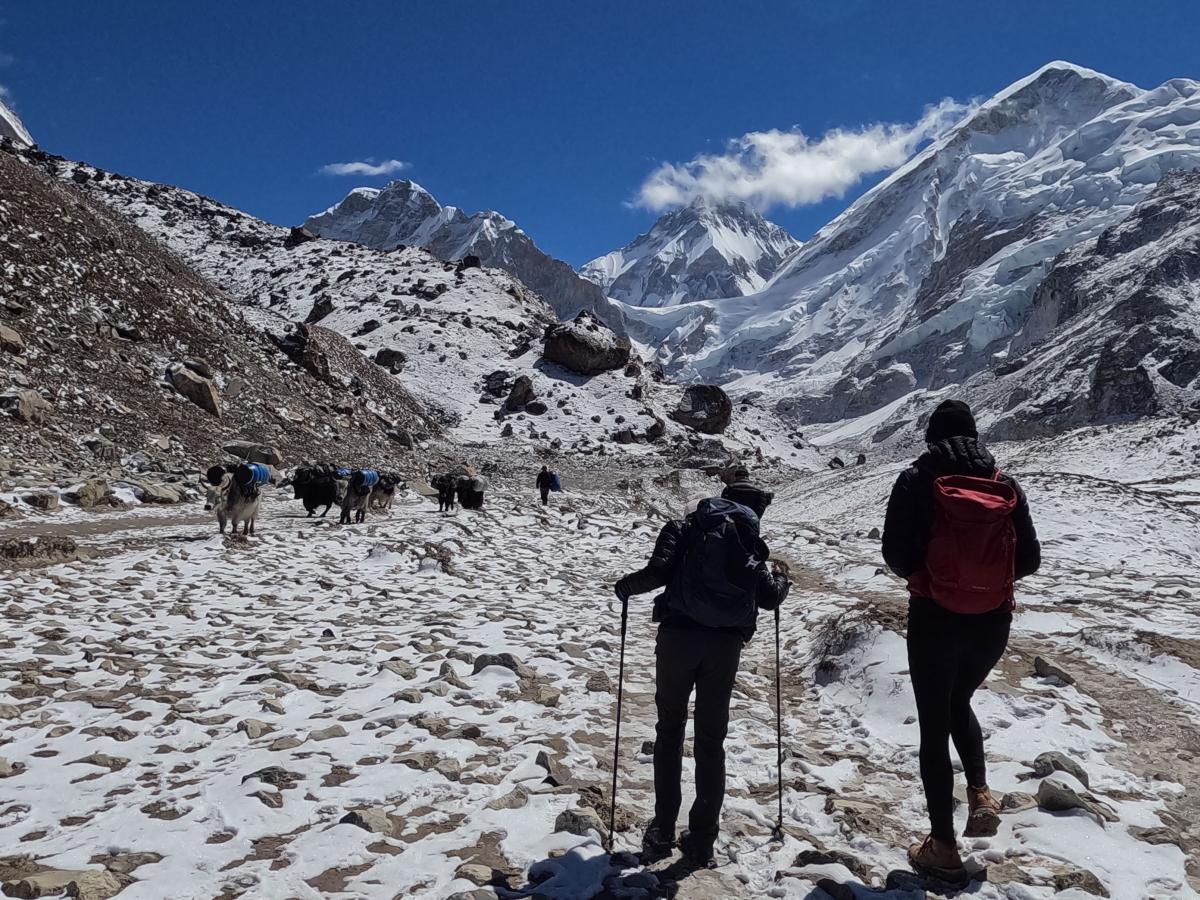
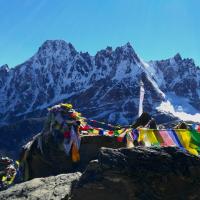
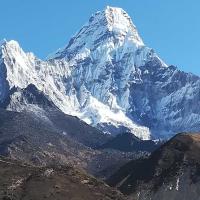
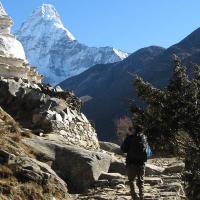
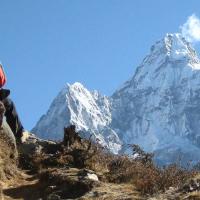
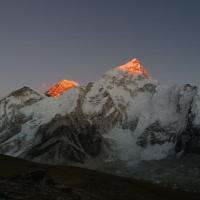
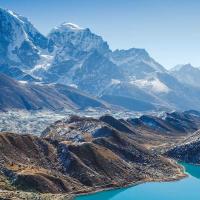
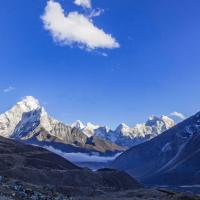
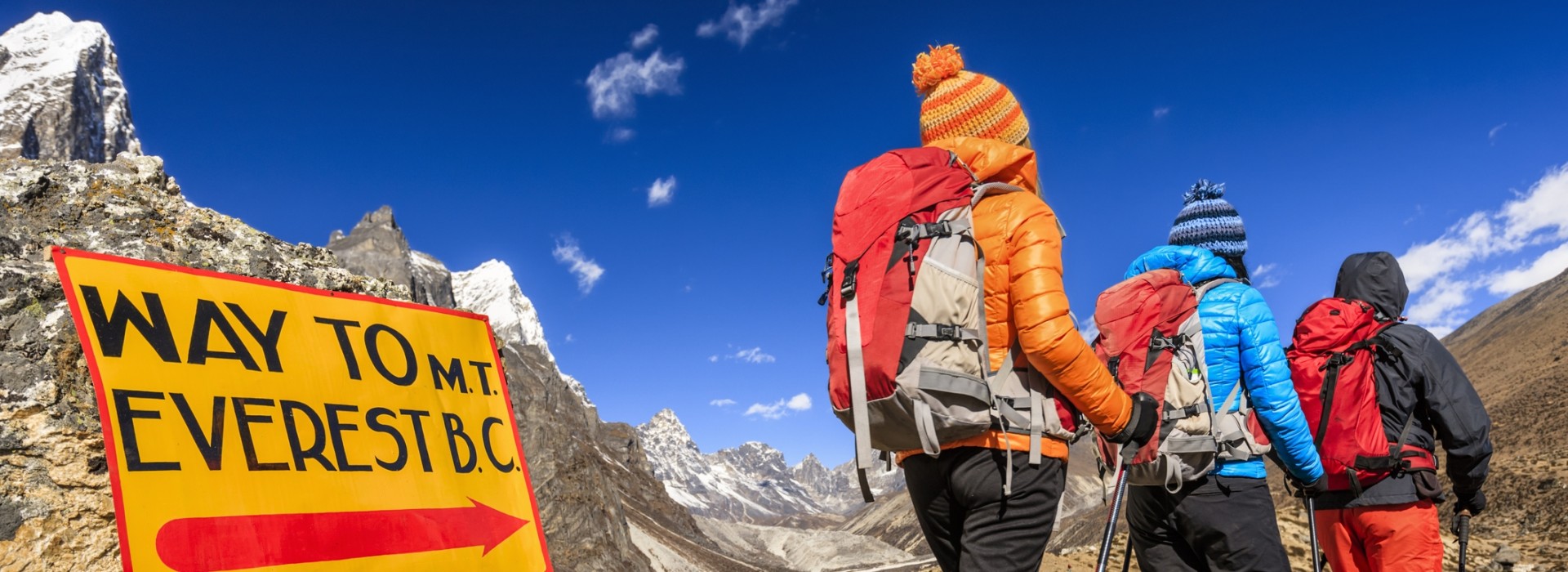
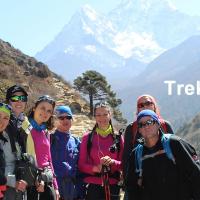
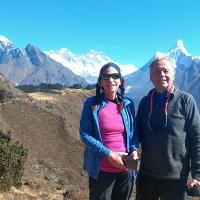
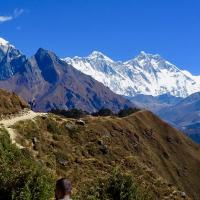
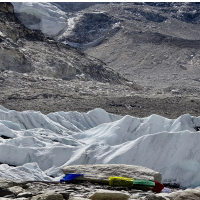
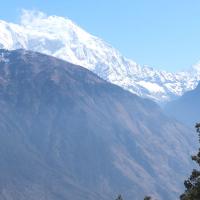
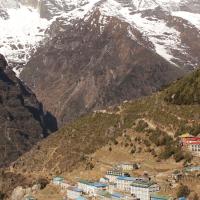
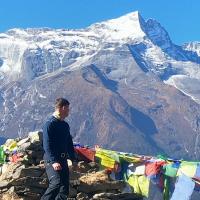
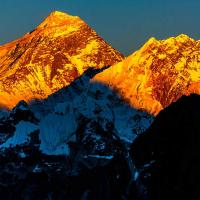
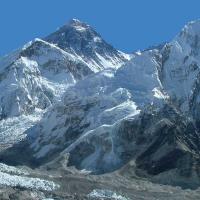
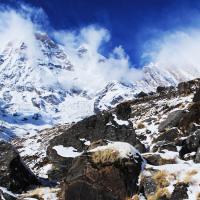
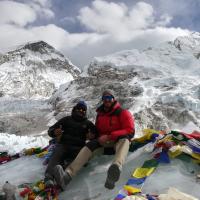
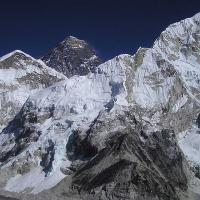
Everest Base Camp is located at the base of the tallest peak of the world Mt. Everest 8,848 meters /29,029 feet). It situates in the Khumbu region, Sololukhumbu district of northeast Nepal.
Everest Base Camp Trek FAQs
Flights & Weather
Q: The weather forecast says rain, clouds, or snow in Lukla on our flight day. Will the flight be affected?
A: Lukla flights are highly weather-dependent. While pilots are experienced, flights can be delayed or rescheduled if visibility is poor. It’s common to have a flexible schedule for your first day in Lukla, so occasional delays are expected.
Q: Why do flights to Lukla depart from Ramechhap instead of Kathmandu?
A: During peak trekking time, flights to Lukla are operated from Ramechhap airport mainly due to air traffic in Kathmandu. Additionally, Kathmandu’s airspace is often congested, leading to delays, while Ramechhap experiences much less air traffic. From Ramechhap only flights to Lukla are operated.
The airstrip is closer to Lukla, which means a shorter flight and less time exposed to mountain weather conditions, making the schedule more faster and reliable. This combination of shorter flight duration and reduced air traffic makes Ramechhap a preferred alternative for reaching Lukla safely and on time.
But during low season, the flight to Lukla is operated from Kathmandu.
Trek Conditions & Climate
Q: What temperatures should I expect during spring and autumn at EBC?
A: In spring (March–May), daytime temperatures range from 10–15?°C at lower altitudes, dropping to -5?°C at higher camps. Autumn (September–November) has similar daytime temps, but nights are colder, often reaching -10?°C near Everest Base Camp. Layered clothing is essential.
While in summer/monsoon (June to August) its warm at lower altitudes and dropping to 0?°C (sometime may be minus) to higher camps. In winter, starting from Lukla its positive at daytime but negative at night reaching up to -20°C at night but Everest Base Camp is still quite doable in winter too.
Q: Is it hard to trek to Everest Base Camp?
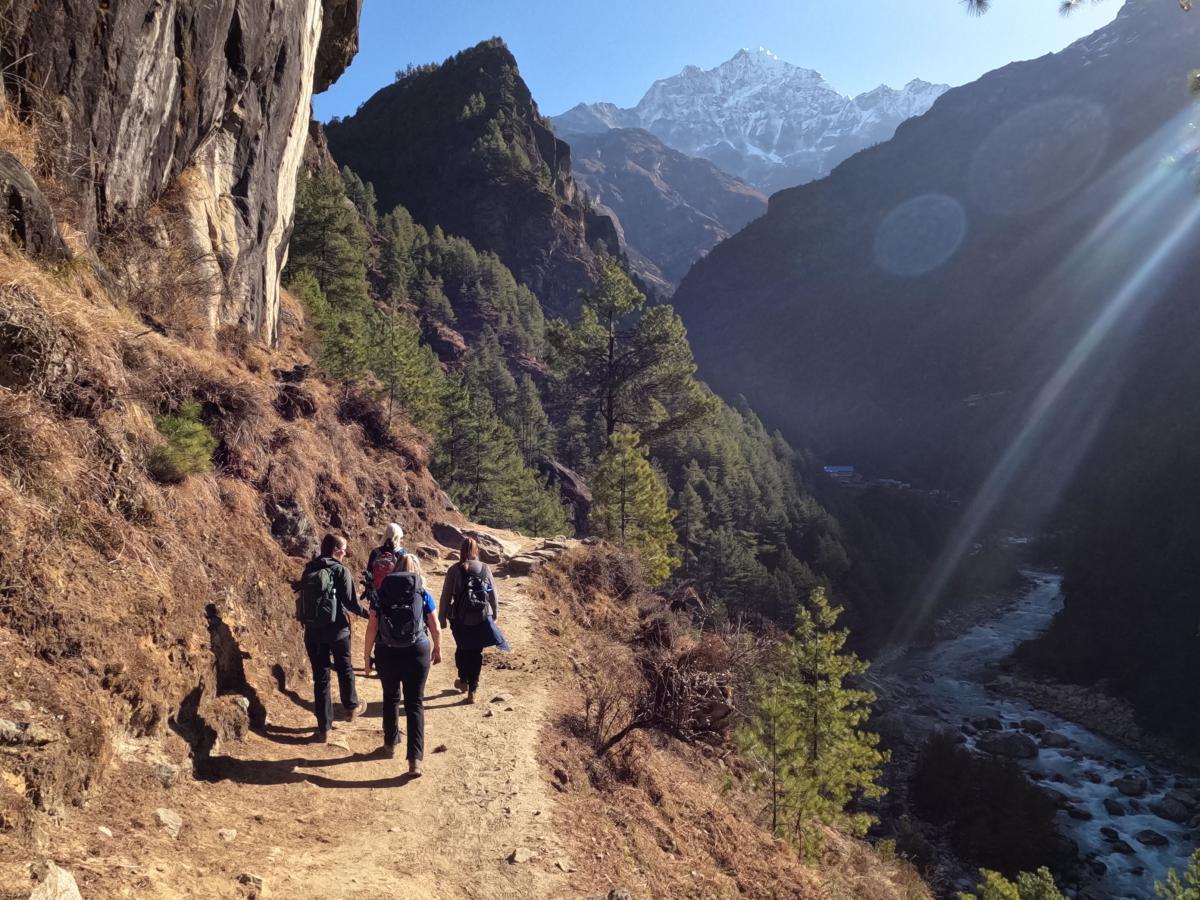
A: The trek is considered moderate to challenging. No technical climbing is needed—just a good level of fitness and stamina for walking 3–8 hours daily. With proper acclimatization, almost any healthy person with average fitness and stamina can complete the trek.
Q: How long do we stay at Everest Base Camp?
A: Most itineraries include a short stop at Base Camp for photos and exploration, typically about 30 minutes.
Q: Can we see the summit of Mount Everest from Base Camp?
A: Everest is visible from Base Camp on clear days, but the summit is often partially hidden by clouds. The best panoramic views are from Kala Patthar, which provides a full 360-degree vista of Everest and surrounding peaks.
Q: What’s the highest point of the trek?
A: The highest point is Kala Patthar at 5,545?m, offering the best views of Everest. Everest Base Camp itself is at 5,364?m.
Trekking Logistics
Q: How many hours do we walk each day?
A: Daily trekking varies from 3 to 8 hours depending on terrain and acclimatization schedules. Elevation gain is usually 400–600 meters per day.
Q: What permits are required for Everest Base Camp?
A: You’ll need these permits and are included in the package and organized by the company.
- Sagarmatha National Park Entry Permit
- TIMS (Trekkers’ Information Management System) Card
- Pasang Lhamu Rural Municipality Entry fee
Q: Do I need travel insurance?
A: Yes, comprehensive travel insurance covering high-altitude trekking and emergency evacuation is required.
Q: Can I choose my own departure dates?
A: Yes, we offer flexible departure dates, though popular periods like spring and autumn fill quickly. If you are 2 people at least to book together you can choose your own departure dates.
Q: Are guides and porters insured?
A: Yes, all porters are fully insured and guides are insured trained in safety, first aid, and altitude management.
Q: Can I carry my own luggage?
A: You carry a light daypack. Extra luggage can be stored securely in Kathmandu or your hotel while trekking. Most of your luggage which you need on trek will be carried by your porter as porter’s service is included in the package. But if you want to carry your own luggage, you can do but we suggest you to enjoy the trek and give job to the porter. You are supporting a porter’s family by providing him porter’s job.
Q: How much should I budget per day on the trail?
A: Daily expenses vary depending on your spending habit choice of purchase, drinks, and souvenirs. On average, USD $15-20 per day is sufficient for snacks, drinks, and small purchases if your meal is included in the package.
Q: What about water?
A: Boiled or bottled water is available along the route for purchase from local shops and teahouses. You can also treat the normal water with water purifying agents if you want to save money on water and don’t want to create plastic waste. Many trekkers use reusable bottles and water purification tablets to stay hydrated safely.
Q: What about toilet facilities?
A: Tea houses provide basic toilets western style & sometimes squat-style. You should be carrying personal toilet paper and hand sanitizer.
Q: Is WIFI available on the trail?
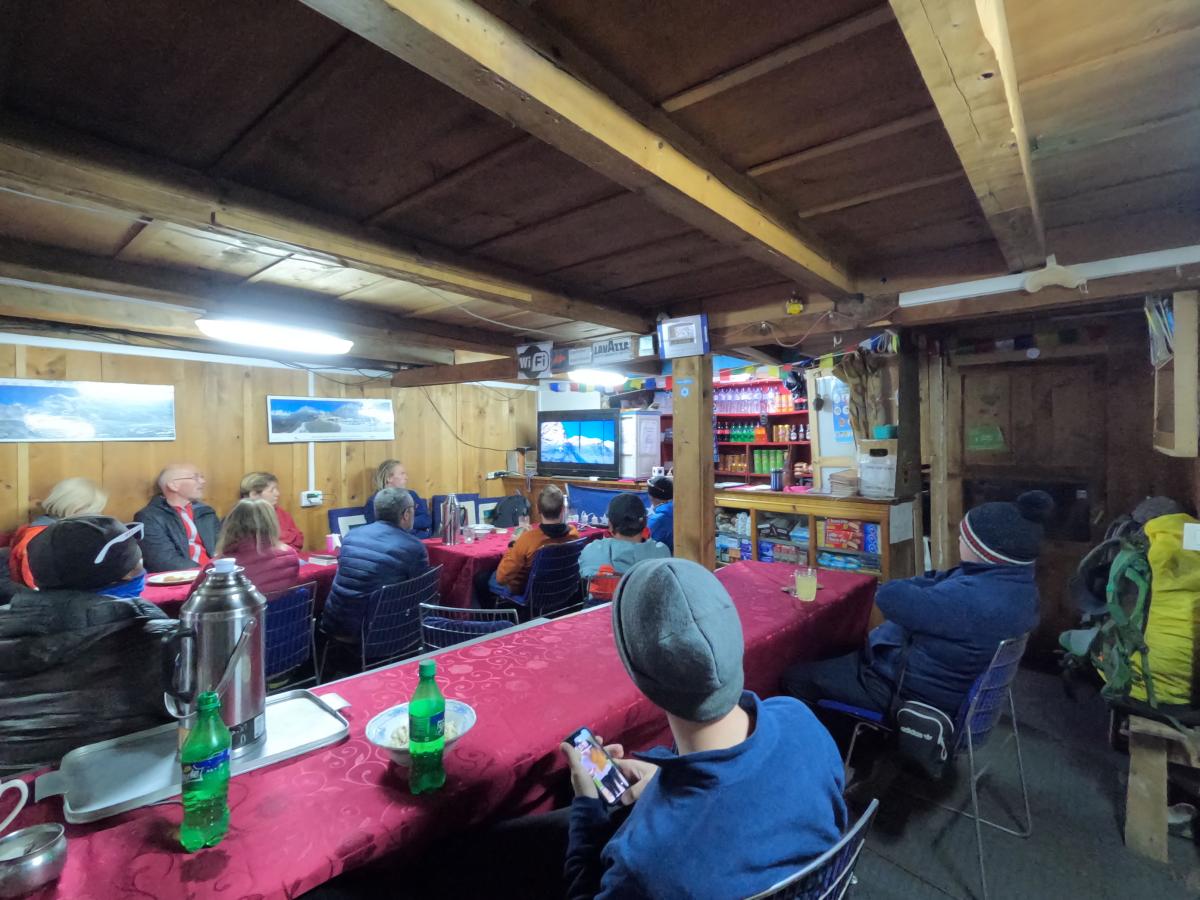
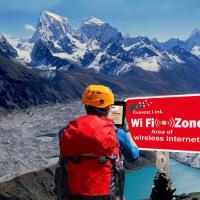
A: Lodges offer WIFI for a small fee, but connectivity can be slow and sometimes unreliable, especially at higher elevations. But the connection is good enough to message, etc. You can also buy an e-sim or Nepal Sim card for internet and add internet data to it.
Q: Can I pay with credit card or foreign currency?
A: On trek for spending money Nepalese cash is preferred. Some tea houses accept credit cards, but we suggest you tocarry cash for small expenditures. Legal currency exchange service is easily available in Kathmandu.
Q: Are laundry services available?
A: Laundry service is available in Namche Bazaar and Dingboche along the route. Service may take 1–2 days and is limited at higher altitudes.
Q: Should I carry my own medicines?
A: Yes, please bring personal medications. Guides also carry first aid kit and emergency medicines.
Q: Can I buy trekking gear in Nepal?
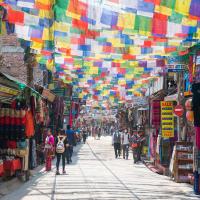
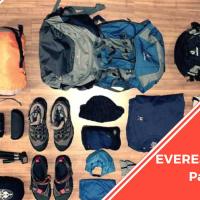
A: Kathmandu has well-stocked stores for branded and locally made trekking clothes, boots, and gear, though quality may vary. Except boots (which is better breaked in beforehand to avoid blisters) you can buy all trekking gears in Thamel, Kathmandu.
Q: How does Everest Base Camp compare to Kilimanjaro?
A: EBC is a trekking expedition with cultural and natural immersion, while Kilimanjaro is a high-altitude climb that can be completed faster but with more physical strain over fewer days.
Q: Why is Namche Bazaar called the “Sherpa Capital”?
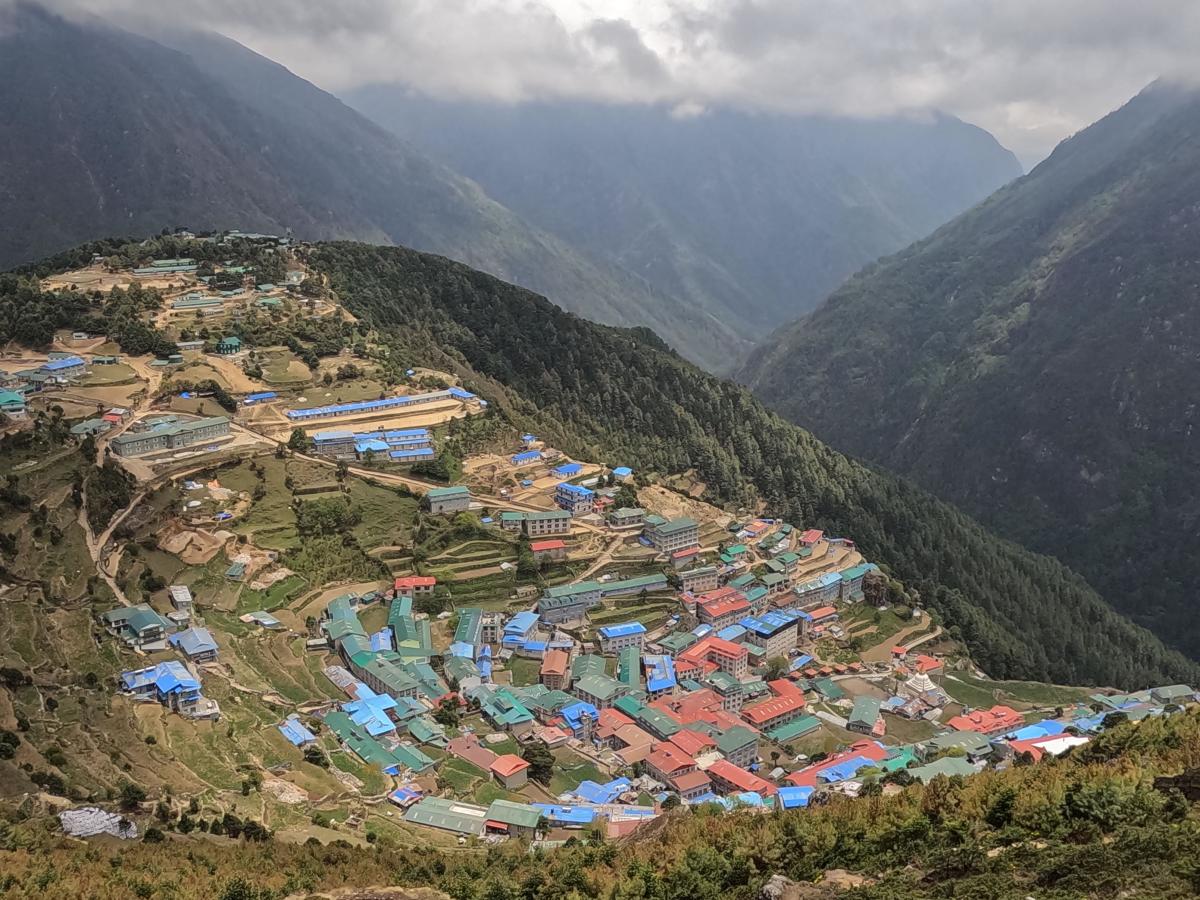
A: It’s the main hub of Sherpa culture, trade, and mountaineering logistics in the Khumbu region.
Q: What makes Lukla Airport famous?
A: Known as one of the world’s most challenging airports, it has a short, sloped runway surrounded by mountains, making every flight an adventure.
Q: What’s the cultural significance of Tengboche Monastery?
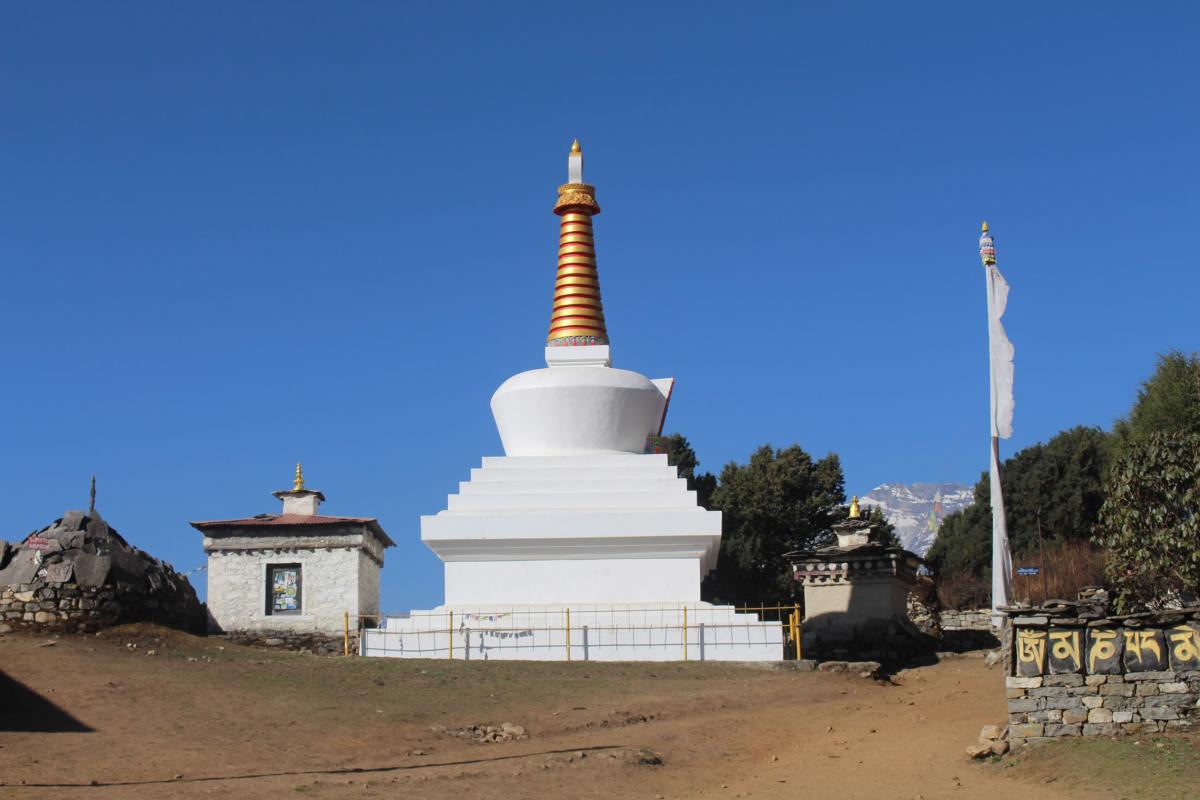
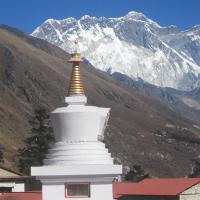
A: Tengboche is the largest and ancient monastery in the Khumbu region, a spiritual center for Sherpas, and hosts the famous Mani Rimdu festival.
Q: Why do flights to Lukla depart from Ramechhap instead of Kathmandu?
A: Flights from Ramechhap are shorter and less prone to Kathmandu weather delays. It’s an alternative for more reliable flight schedules.
Q: Will someone meet me at the airport?
A: Yes, a representative will welcome you and assist with transportation to your hotel or onward travel.
Q: Does the trek include meals?
A: Most itineraries include breakfast and dinner at tea houses. Lunch is along the trail in some local restaurants.